
A Guide to Postpartum Care According to East Asian Medicine
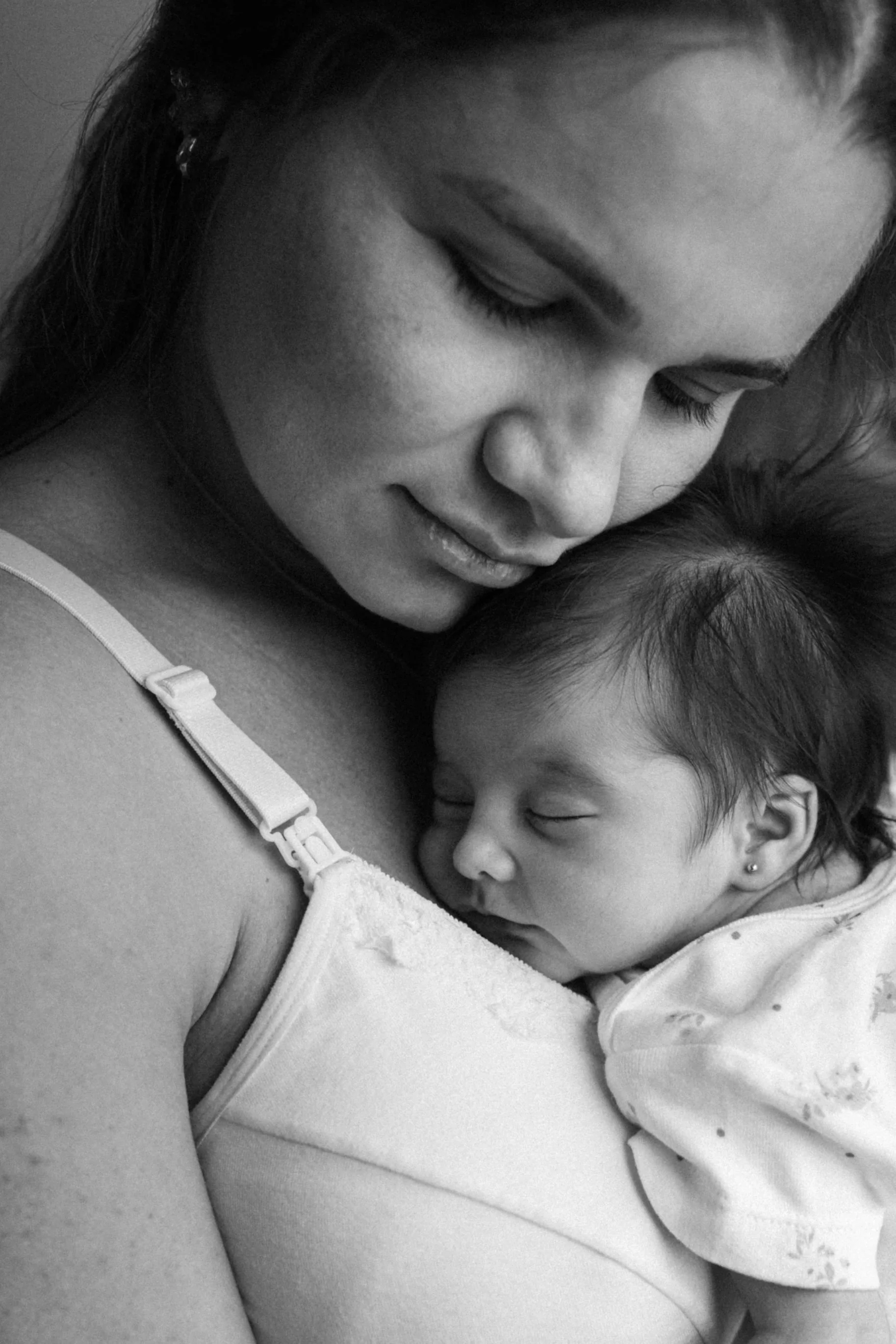
photo by Jonathan Borba for Unsplash
As of this writing in 2026, I am in my 7th year of practice and mother to a 9 year old. I have experienced the excellent health care provided by Traditional East Asian medicine as well as witnessed its results in my patients. Through these experiences, I think we have much to offer for the post partum period, but not enough parents understand what we do. I want to spread the word about what it can do, specifically in areas where conventional medicine has little to offer.
If you are reading this, you might be wanting to set yourself up for a great postpartum experience, which means you already have some idea of how pivotal this time period is for both you and your family’s long term health. Or perhaps you are in the throes of the postpartum time and it is going differently than you expected. There can be a mismatch between how you expected to feel and how you feel. Even noticing that you are not having an easy time is an achievement, as so many mothers have told me that it is not until they come out of the fog of postpartum depression or anxiety that they realized they were in it. My job is to bring you ease and healing, and here are some things to know about this process:
Postpartum starts at preconception
While I do think we spend too much time increasing health in order to get pregnant, and too little restoring health after giving birth, postpartum health does start in the preconception. The quality of your eggs and health have a lot to do with the health of your pregnancy, and a healthy pregnancy increases the chances of a healthy labor, delivery, and postpartum. So if you are having difficult periods or difficult moods preconception, work with a skilled acupuncturist and herbalist prior to and during pregnancy. Sperm health should not be discounted, as it contributes to the health of the placenta, and a healthy placenta influences many aspects of a pregnancy, including your chances of developing pre-eclampsia* and the health of your baby.
If you are already past the pre-conception stage, do not worry about what has not happened. There is still so much we can do to bring your body towards health.
Postpartum care is a gateway to the rest of your life
You are about to go through or have just gone through a major life transformation – spiritually, physically, emotionally.
Through some crazy multi-dimensional process, you and your partner have called another human into physical form through your body! (I think this always deserves the appropriate pause of awe, so please just pause for a second here to really consider the mystery of life on this planet.).
You will be discovering who you are as a parent. Regardless if this is your first child or fifth, a new child will change you and your understanding of who you are.
You will discover which values are deeply embedded within you, whether you wish they were or weren’t!
Your relationship with your child’s other parent and other family will also shift, sometimes almost imperceptibly and sometimes dramatically. Much of this is blissful, but, true-to-life, the full spectrum of emotions can come into play.
Your body, already transformed by pregnancy, will continue to transform in order to feed your child as well as to return to a non-pregnant state. It is very common to be relatively blood deficient in the months after giving birth. This is because you have just produced SO MUCH blood to sustain the baby in utero, and so the shift to normal blood production is, relatively, a big decline. You also lost fluids and blood in the birthing process. In addition, breast feeding, according to Chinese medicine, uses the nourishment and fluids of your own body to make milk. You are literally feeding your baby from your body. Blood houses the shen, or spirit, and is need to help with emotional regulation.
Herbal and moxa support can help with postpartum mood regulation through nourishing the blood and fluids that you need so much of during this time. Traditional medicines tend to postpartum nourishment, because a bolstered body can more easily navigate the changes inherent to becoming a parent.
In the immediate postpartum period, your body will be dramatically different from your pregnant body and dramatically different from your pre-pregnancy body. Don’t underestimate what time will do to return the new you back to something more familiar, but acceptance of change is the real source of resiliency.
Acupuncture, and even more importantly, moxabustion and herbal medicine, can help you heal physically, aiding in uterine involution (helping the uterus shrink back to its non-pregnant size) as well as helping with any post-operative or vaginal healing, or common nuisances like post-partum constipation. Even diastisis recti seem to do better with moxabustion.
6 symptoms to look out for in the postpartum period
Extended post partum bleeding
You should be mostly done bleeding at 2 weeks. Lingering bleeding is often a sign of deficiency….a uterus that hasn’t “closed” properly and so is leaking precious fluid. While nightsweating is completely normal and healthy immediately after giving birth, sometimes the patient who has longer term bleeding also has continued night-sweating, further depleting their fluids.
If the bleeding is mild, first try doing even less than what you already are, and rest deeply in these first weeks. If more rest is enough, Chinese medicine is able to assess what pattern is causing this and address it quickly. A fluid-deficient body can feel tired, weak, and dried out, so it is key to keep an eye on this.
A tender uterus
Your health care professional from every medicine will be keeping an eye out for this. I, too, will see if there is any lingering tenderness after the uterus returns to size. Clearing any lingering blood stasis is a key step in making it possible to generate new blood, and can even affect the ability to make healthy blood. Common postpartum formulas do just this.
Any smelly blood or discharge warrants an immediate visit to your OB,
as postpartum infections can be very serious and should be treated with antibiotics. I have seen in my practice tender uteri due to heat, but a step before there are signs and symptoms that can be noticed by the patient or Western medicine. It has been very satisfying to see this kind of postpartum heat reverse course with effective herbal medicine.
Any issues with milk production, including excessive leaking of milk
Acupuncture, moxa, and safe herbal medicine are all part of our toolbox, but the real key is accurate diagnosis. Our medicine is uniquely suited to finding and addressing the cause of low milk production, and is able to see relationships between different symptoms that Western medicine would miss.
Excessive leaking of milk? This is often overlooked, and if left unaddressed can cause more issues down the road. I cover this more extensively here.
Inability to sleep
Now of course it is normal and expected to be sleep deprived, as your new schedule will require frequent feedings throughout the night. But when you have the chance to sleep, it is important that you are ABLE to sleep. I remember one new mom who came in, 8 weeks into motherhood and desperate for help. She was so adrenalized that she could not enter into the necessary physiological state needed for rest. She had hemorrhaged during delivery, and the emotional impact of her emergency c-section was exacerbated by the loss of blood (see above). Luckily, just one treatment of 7 needles made her able to sleep. She continued to come for two more visits, and I remember how relieved she was to feel more like herself.
Emotional dysregulation
As I mentioned above, the hardest part of knowing to come in for mood changes is realizing that you are experiencing mood changes. Some Moms only realize after the fact that they are having a hard time.
It is normal to have a strong hormonal shift in the first 2-3 days after giving birth, but you should then feel less weepy. Of course it is also normal to feel in awe of the responsability of taking care of a new and vulnerable human. But excessive weeping, fear, terror, dread, inability to connect to your child, anxiety or overwhelm can all benefit from postpartum treatment from a traditional medicine. These medicines, including the one that I practice, have been ushering mothers through to the other side for millennia, and have excellent tools.
Numbness, tingling, or pain and discomfort of any sort
While these symptoms seem like more of a hassle than a real issue, they are early signs of blood not filling the channels or nourishing the muscles. It is good to address these promptly, because the act of giving birth and breast feeding deplete the blood, and we want to prepare you for long term health and recovery.
A full recovery helps you hormonally in the long term — future pregnancies, perimenopause, etc.
My gynecology teachers have said that a healthy pregnancy and postpartum can reset your constitution in a very beneficial way. This is quite the opposite of what we understand in our conventional wisdom! Pregnancy fills you to the brim with blood and qi. While most of that leaves with the baby, if a mother is well-nourished and replenished postpartum, this bodes well for future pregnancies, later menstrual cycles when they come, and other hormonal changes like perimenopause.
Pregnancy and postpartum is such a unique opportunity to influence longterm health—I have seen that a well-tended pregnancy and postpartum can lead to long term benefits. Conversely, women who become deficient through childbirth and are not bolstered with warm and nourishing foods and habits can find themselves prematurely achey, tired, and worn out. I sometimes meet women in my clinic whose children’s ages are in the double digits, but through a careful history realize that the seed of their current troubles started from postpartum depletion.
You don’t need to see an acupuncturist or an herbalist to have a healthy postpartum! Appropriate rest, warmth, and nourishing foods go a long way. But we are here, with a ton of wisdom on how to address anything that might come up. I hope this article will help you know when to use us, and also give you permission to come in “just cuz”. The postpartum is not a time to deny yourself any extra TLC that you may be craving.